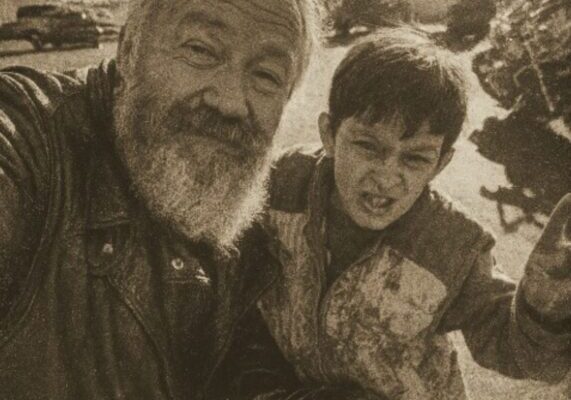
My name is Greg Hoffman. This is the story of how my mother-in-law accused me of trying to abduct my own son—because I ride a motorcycle.
I’ve been a motorcyclist for over 30 years, served two military tours, and spent decades as a CPA. For the past eight years, I’ve also been Kevin’s father.
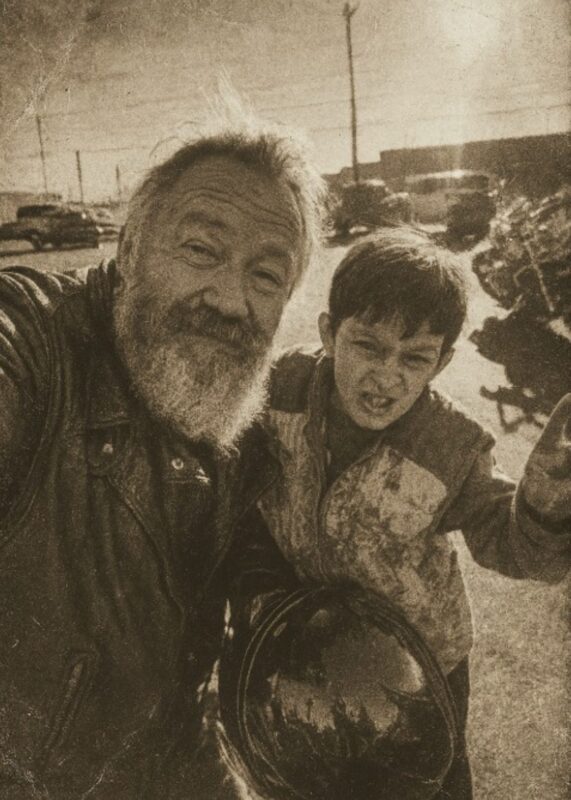
I’ve never jeopardized his safety. But to my mother-in-law, Helen, my leather jacket might as well be a warning label.
The Disapproval That Grew Teeth
Helen never hid her disdain for motorcycles. Early on, she kept her criticisms passive-aggressive, tossing in comments over dinner like, “People on bikes always end up in the news.”
If I mentioned a charity ride for veterans, she’d sneer, asking whether it was “safe for the community.”
I let it slide. Some people fear what they don’t understand.
My wife, Laura, would excuse it with a shrug. “She’s just stuck in her ways.” I bit my tongue—for her.
Still, I noticed Helen growing colder toward me in front of Kevin. If I wore my club vest, she’d pull him close, as if leather carried disease. I once caught Kevin looking at me like he didn’t recognize who I was.
A Birthday Gone Sour
Three months before it all unraveled, Kevin turned eight.
Helen insisted on hosting the party at her home.
When I asked about the time, her response was sharp: “You’re not bringing that thing.” She never calls it a motorcycle—always “that thing,” laced with contempt.
I agreed to bring the truck.
She added, “And don’t wear your costume.” By that, she meant the vest I wear with pride—marked with a flag and the Iron Patriots club patch, a nonprofit veteran riding group dedicated to community service.
I arrived in khakis and a polo, looking like any other dad.
But Helen still whispered to the other parents, claiming I’d once ridden with a gang. That was a lie.
The Iron Patriots are veterans, medics, and mechanics who donate their time and money to causes that matter.
As the candles flickered on Kevin’s cake, I saw the other parents looking at me with unease.
Laura pretended not to notice. Helen smiled, pleased with the damage.
Later that night, Kevin asked, “Are you in a gang?”
I explained the truth. “No, buddy. I ride with a club that helps people.
The bike doesn’t make someone good or bad—their actions do.”
But Helen’s words had already done their work.
A Record Begins
From that night forward, I started documenting everything.
Every rumor Helen spread, every remark meant to isolate me from my son—I saved it all.
Something told me I’d need it.
Then came the park incident.
Kevin and I spent the afternoon climbing jungle gyms and racing pinecones in a stream.
When we returned home, Helen was parked in the driveway.
“Where have you been?” she snapped.
“The park. Laura knew.”
“Can anyone verify that?” Her tone sounded less like concern and more like interrogation.
“Why would I need an alibi to take my own son to the park?”
“You never know with your kind,” she shouted, loud enough for neighbors to hear.
“Kids go missing all the time!”
Laura stood behind her mother, saying nothing.
That night, I added “accused me of possible abduction” to my growing log.
The Day It All Broke
It was a typical Wednesday when the school called—Kevin had left his inhaler at home.
Laura couldn’t leave work, so I rode over on my Harley. It’s quicker in traffic and easier to park.
After dropping off the inhaler and signing in at the office, I walked outside and heard a commotion.
Helen was in the parking lot, yelling into her phone, claiming a “biker” was trying to kidnap her grandson.
A crowd gathered. Phones recorded. Police sirens wailed.
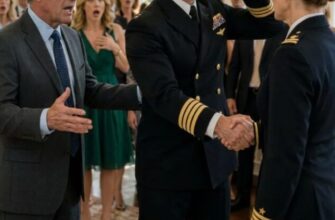
By the time I reached her, two squad cars had arrived. Officers stepped out with caution.
“Step away from the motorcycle. Hands visible.”
“Helen,” I said, trying to stay calm. “Tell them who I am.”
She pointed at me. “That’s him! He tried to lure Kevin!”
The school principal appeared with paperwork: my ID, Kevin’s birth certificate, emergency contact forms.
It was all in order. But the officers still double-checked everything.
When Kevin walked outside, he saw me being questioned like a criminal. His face crumpled. “Why do they think you’re bad, Daddy?”
Helen watched it all from a distance, smug and satisfied.
She whispered something about calling child services next.
The Marriage Cracks
That night, I confronted Laura.
“Your mom tried to have me arrested in front of our son. You said nothing.”
“She was scared,” she replied. “You know how she is.”
“I know she hates that I ride. But fear doesn’t give her the right to lie to the police.”
“If you’d just use the truck—”
I cut her off. “I served overseas so people could live freely. Does that mean nothing now?”
She folded her arms. “I’m tired of people staring.
Maybe Kevin’s better off without the motorcycle.”
I asked, “Do you and your mother love me—or just the version of me that fits into your idea of normal?”
The silence said more than words could.
A Line Is Drawn
The next day, Laura took Kevin “to clear the air.”
I spent two days organizing evidence: every recorded insult, every text, audio clip, or message that painted me as unfit.
Friends from work and Kevin’s school wrote letters on my behalf.
Then came Laura’s text: “Mom thinks you should skip Kevin’s soccer game.
Parents are uncomfortable.”
Kevin and I had played on that team together for two years. Suddenly, I was unwelcome.
The Riders Respond
Most people associate bikers with noise and chaos.
But the Iron Patriots are different.
Tank, a pediatric surgeon with a prosthetic leg, reached out first: “Need backup?” Diesel, another CPA, texted: “Let’s show them the truth.”
That weekend, we hosted a Community Day. Fifty riders volunteered.
We picked up trash, delivered meals to seniors, and taught kids bike safety.
The media showed up. Tank spoke on camera:
“Greg was judged for what he wears and rides. We’re here to prove that morality isn’t found in a vehicle—it’s shown through service.”
Videos of Helen’s school meltdown had already gone viral.
The new footage showed the full story. Support poured in.
Parents apologized. The principal invited me back to volunteer.
Courtroom Reckoning
But Laura filed for divorce. Her attorney claimed my lifestyle put Kevin at risk.
Ours countered with evidence: my clean record, Kevin’s safety gear, praise from teachers.
Then came the recordings—Helen telling Kevin that bikers are criminals, that his dad would crash and die, that “real dads drive SUVs.”
The judge listened in silence, brow furrowing.
Kevin asked to speak privately with a child advocate and the judge.
When he emerged, his voice was clear:
“Grandma lies. Daddy helps people.”
I was granted primary custody. Laura received weekends. Helen’s visits would be supervised—pending training on parental alienation.
Riding Toward Healing
The first weekend Kevin stayed with me, he walked into the garage wearing his little jacket—the one Helen despised.
“Can we ride to the memorial and bring flowers?” he asked.
I knelt down, fastened his helmet. “Only if you tell me the moment you feel unsafe.”
He smiled. “I feel safe with you.”
We rode beneath the morning sun, passing Tank and Diesel, who were already at the veterans’ memorial.
As we planted flowers, Helen drove past.
She slowed, staring at Kevin laughing among the “dangerous bikers.” Then she pressed the gas and drove away.
Kevin saw her. He waved. She didn’t stop.
What Remains
Helen’s prejudice built a wall—and it cost her everything: her reputation, her influence, and most painfully, her grandson’s trust.
Laura and I now co-parent peacefully, though a quiet regret lingers in her eyes during drop-offs. Some choices can’t be undone.
But Kevin is thriving. He understands now that leather and chrome don’t define someone.
He knows that kindness can ride a motorcycle and that judgment often hides behind polite smiles.
Sometimes we pull over mid-ride to talk. About courage.
About love. About what it means to see clearly.
He says one day, he might ride his own bike.
I tell him I’ll teach him everything I know.
Because real fathers give their kids more than helmets and hugs.
They give them truth, integrity, and the courage to push forward—even when the world tries to shove them back.