
For as long as I can remember, Celeste always had a way of stealing the room. Whether it was at school talent shows, birthday parties, or just brunch with friends—somehow, she made herself the center of it all.
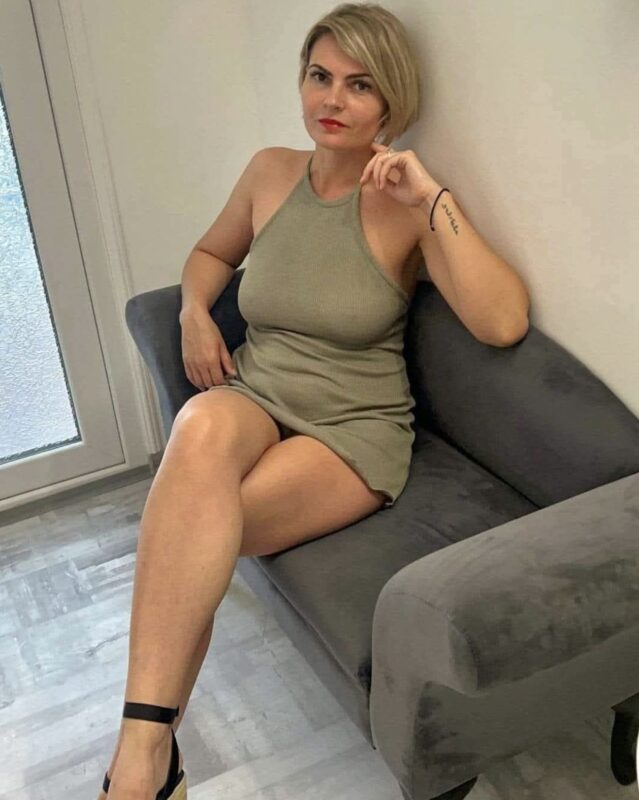
And for just as long, I let her.
We met in university. I was studying media production, Celeste was in communications. She had a magnetic laugh and a wardrobe that made her look like she stepped out of a fashion campaign. I was quieter, more observant. I liked stories—telling them, filming them, piecing together meaning from moments others overlooked.
She liked being the story.
We became fast friends. She’d pull me into her world, and I’d let her take the lead—at parties, in conversations, even in creative projects. I didn’t mind. Not at first. I thought, “That’s just who she is. She shines.”
But over time, I began to notice the cracks.
When I pitched a short film idea in class that later got selected for a showcase, Celeste offered to help “shape the vision.” Within weeks, it was her name that professors kept mentioning. “Celeste’s film is brilliant!” “Celeste has such a unique voice!”
I was the one who stayed up editing all night, rewriting the script, directing every shot. She showed up late to set and left early—but she knew how to talk about the project. How to sell it.
That was her superpower.
I told myself it didn’t matter. We were friends. If she won, I won too… right?
Then came The Moment.
Our final semester, I submitted a documentary short called Still Blooming—a deeply personal piece about my mother’s battle with depression and the quiet strength of women who carry their families through pain.
It was selected for a national student film competition. Huge deal. I was stunned. Finally, I was being seen.
The screening was in Lisbon. The night before, Celeste offered to fly in with me. “To support you,” she said.
She showed up wearing a red dress and confidence that wrapped around her like perfume. I wore a black jumpsuit and shaky hope.
After the screening, a small panel held interviews with selected filmmakers. I stepped aside to grab water—and returned to find Celeste talking to the judges. Not introducing me. Not pointing me out.
Talking about “our” vision. “Our” choices. “Our” story.
My stomach dropped.
That night, as we shared a hotel room, I confronted her.
“You keep doing this,” I said. “Taking up space that isn’t yours.”
She rolled her eyes. “Kiara, if you can’t speak up for yourself, don’t blame me for filling the silence.”
It was like being slapped without the sound.
I left Lisbon early. Alone.
I went home, cried for two straight days, and considered never making another film again.
But then something strange happened.
One of the judges—Ana Ribeiro, a well-known Portuguese director—reached out.
She said, “Your voice came through the screen. I want to mentor you.”
Not you and Celeste. Just me.
Under Ana’s guidance, I developed a new project. A docu-series on underrepresented female storytellers across cultures. For the first time, I wasn’t hiding behind someone else’s spotlight—I was creating my own.
And it worked.
The series got picked up by an indie platform. It won an award at the European Digital Arts Festival. Suddenly, I wasn’t just a quiet creative in the background. I was leading.
And people noticed.
Celeste reached out again. She congratulated me publicly on Instagram and privately asked if I needed help “curating the public image.”
I didn’t respond.
Not because I was bitter—but because I had learned something crucial:
A real friend doesn’t dim your light to make hers seem brighter. A real friend helps you shine—and celebrates when you do.
Celeste taught me something, even if it wasn’t what she intended:
That staying small for the comfort of others is just another form of self-betrayal.
That silence isn’t humility when it costs you your voice.
That sometimes the best revenge is not revenge at all—but success, authenticity, and peace.
Now, I teach workshops for young women in film—especially those who don’t speak the loudest. I remind them:
You don’t need permission to be seen.
You don’t need someone louder to tell your story.
Your voice matters—even if it shakes.
Celeste is still out there somewhere. Still networking, still charming, still claiming credit where she can.
But I don’t worry about her anymore.
Because while she was busy taking up space—I was building mine.
And now that I’ve stepped into it?
I’m never stepping back.


