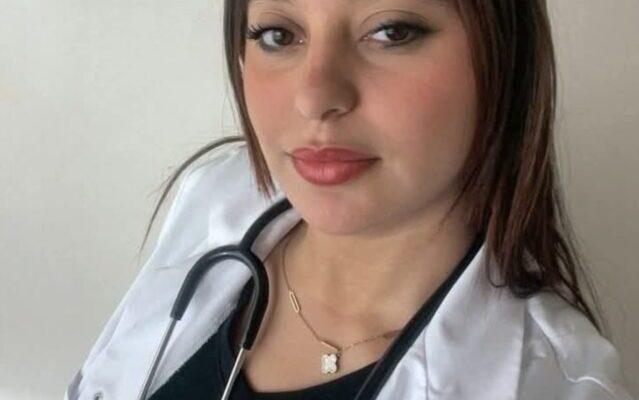
Growing up in a family of lawyers, judges, and politicians meant dinner conversations at our house in Skopje were more like debates than bonding. Every sentence began with “Logically speaking…” or “According to precedent…” and ended in me biting my tongue.
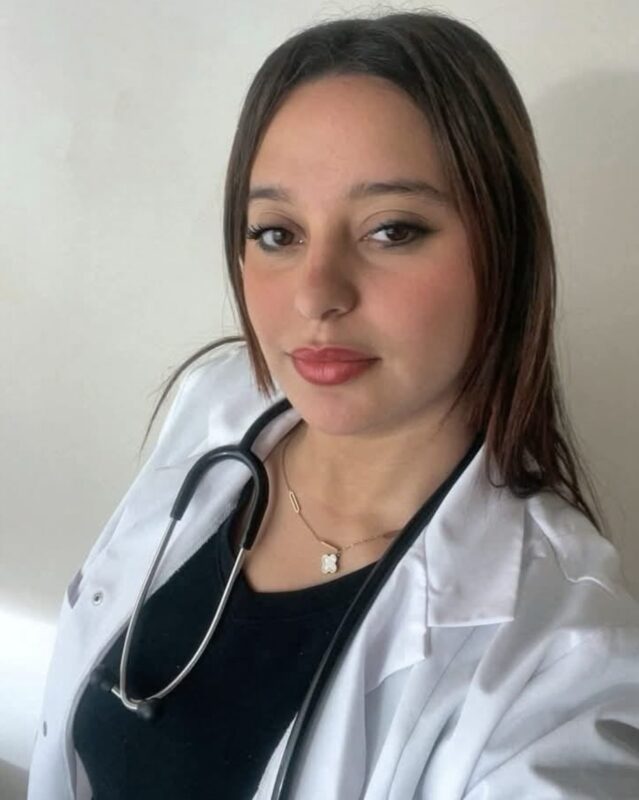
Except I didn’t want to argue cases. I wanted to heal people.
From the time I was eight and watched a nurse hold my grandmother’s trembling hand through chemo, I knew: I wanted to be that person. The calm in the chaos. The helper. The healer. The one who stayed when others left.
But when I told my family I wanted to become a nurse, the room went silent—as if I’d declared I wanted to join a circus.
My father, Eduart, gave a tight smile and said, “That’s… sweet. But you’re meant for something bigger.”
My mother, Olta, chimed in: “We didn’t raise you to clean up after sick people. You’re better than that.”
Even my older brother, Albin—normally the quiet one—snorted and said, “A nurse? You mean you want to be a glorified assistant to doctors?”
I was seventeen.
And shattered.
For months I pretended to consider law school. I even applied to one just to keep the peace. But secretly, I applied to the nursing program at the University of Ljubljana—top in the region, competitive as hell, and my long-shot dream.
When I got in, I didn’t tell anyone. I waited until my eighteenth birthday, when I was legally free to make my own decisions. I printed the acceptance letter, placed it in an envelope, and slid it under my father’s espresso cup at breakfast.
“What’s this?” he asked, opening it.
Silence.
Then a scoff.
“This is a joke, right?”
I stood tall—even though my knees were shaking. “No. I start in September.”
What followed was three weeks of shouting, guilt-tripping, and lectures about “wasting my potential.” My mother even tried to set me up with the son of a judge, as if a marriage proposal would cure my ambition.
But I left anyway.
The first semester was brutal. I was broke, homesick, and balancing 12-hour shifts with night classes. I cleaned bedpans, held the hands of the dying, and once, got thrown up on twice in the same day.
But I loved it.
I loved the pulse of the hospital, the quiet triumphs, the resilience of people in pain. I called it “chaotic compassion,” and it felt like where I was meant to be.
Meanwhile, my family barely spoke to me. They’d refer to me as “Emilia, the rebellious one,” at weddings and family events. I became the black sheep, the one who “threw away a bright future.”
Fast forward six years.
I was twenty-four, a licensed trauma nurse at a major hospital in Ljubljana, and part of a team that responded to disaster zones across Eastern Europe. My life was full—hectic, meaningful, mine.
Then, last spring, something happened that flipped everything.
There was a bus crash just outside Skopje. Multiple fatalities. Dozens injured. I was part of the emergency unit airlifted to assist. When I arrived at the chaotic triage site, I froze.
My father—Eduart—was sitting on the ground, bleeding from a gash on his head, trying to hold pressure on another man’s wound. Their car had been behind the crash. He wasn’t supposed to be there. But fate, or irony, had other plans.
He looked up. Our eyes met.
“Emilia?” he said, stunned. “What… are you doing here?”
“I’m here to help,” I said simply, slipping on my gloves.
For the next four hours, I led a team of responders. I triaged patients, comforted a child who’d lost her mother, and gave instructions to overwhelmed volunteers. I stitched my father’s head myself.
He didn’t say a word—just watched. And when I was finally done, exhausted and shaking, he whispered, “You were brilliant.”
That moment stayed with me.
A week later, back in Ljubljana, I got a letter in the mail.
From my mother.
It read:
We were wrong. You didn’t throw away your potential—you fulfilled it in a way none of us had the courage to imagine. We’re proud of you, Emilia. Deeply, humbly proud.
They came to visit me later that month. No big apologies, no dramatic monologues—just small acts. My father brought my favorite coffee. My mother asked to see the hospital. Albin hugged me like he never had before.
And that was enough.
Now, I run a mentorship program for young women from traditional families who want to enter the medical field. I tell them this:
Don’t wait for permission to pursue your purpose.
Your dreams don’t need validation. They need you. Your fire. Your stubbornness. Your belief that making a difference matters more than making others comfortable.
And if you come from a family that doesn’t understand? Prove them wrong—not with spite, but with success.
Like I did.


